Grape guide
Veneto Grape Varieties Explained
Veneto wine becomes much easier when you know a few grape names. You do not need to memorize everything. You just need to recognize the grapes that explain the bottles people actually buy.

Veneto is famous for Prosecco, but the region is much broader than one sparkling wine. The same region gives you Soave, Valpolicella, Amarone, Bardolino, Lugana, and Colli Euganei wines because the grapes and places change so much from one area to another.
The useful way to learn the grapes is to connect each name to the wine it becomes. Glera matters because it becomes Prosecco. Garganega matters because it becomes Soave. Corvina matters because it sits behind Valpolicella, Amarone, Ripasso, and Bardolino. Once those pieces click, Veneto labels become much less confusing.
Quick answer: the main Veneto grapes
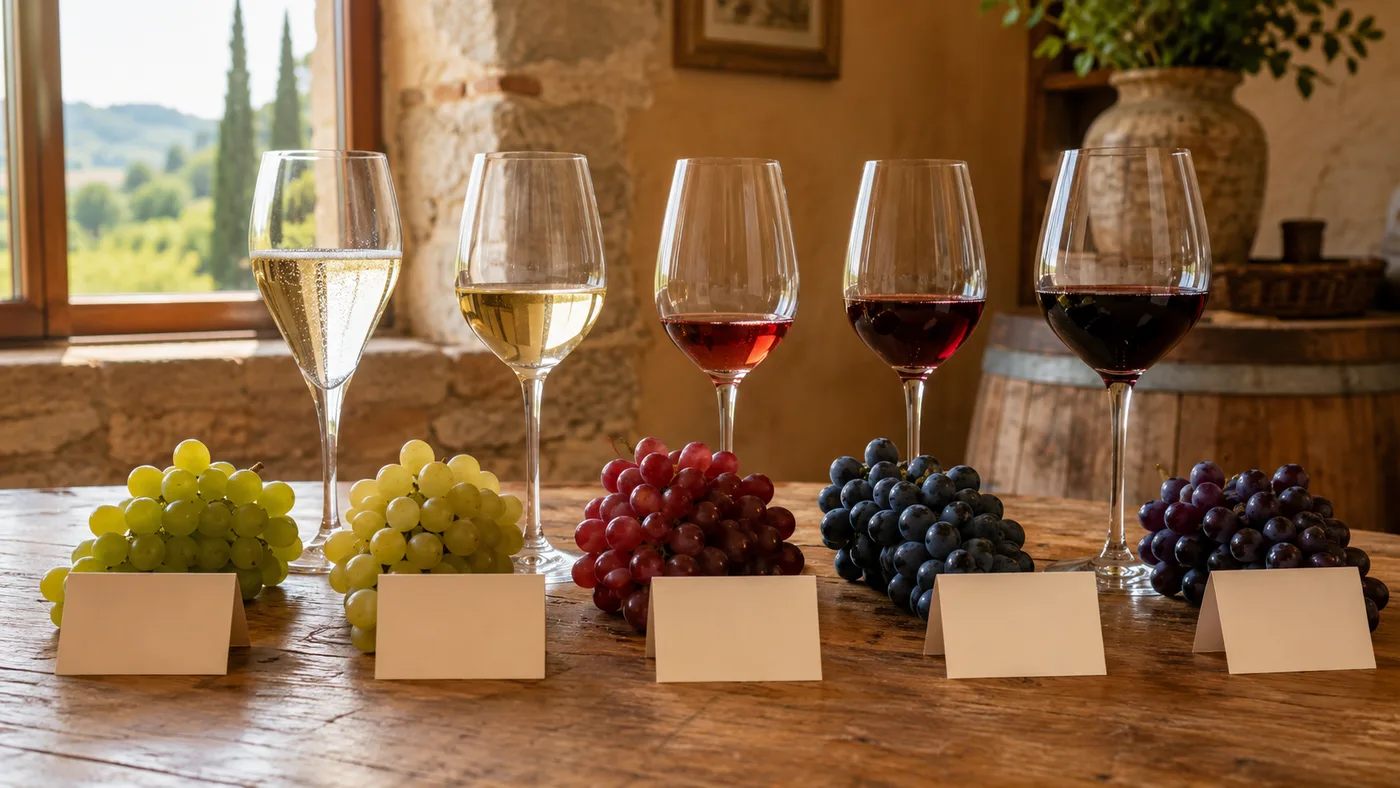
| Grape | Main wines to know | Practical style clue |
|---|---|---|
| Glera | Prosecco, Prosecco Superiore | Fresh sparkling wine with pear, apple, flowers, and citrus. |
| Garganega | Soave, Soave Classico | Dry white wine with citrus, almond, herbs, and sometimes mineral texture. |
| Corvina | Valpolicella, Amarone, Ripasso, Bardolino | Cherry, red fruit, spice, freshness, and structure depending on the style. |
| Rondinella | Valpolicella blends, Amarone blends | A reliable supporting red grape in the Valpolicella family. |
| Molinara | Traditional Valpolicella and Bardolino blends | Lighter, more delicate, and less central than it once was. |
| Turbiana | Lugana | Fresh white wine from Lake Garda, often fuller than people expect. |
| Raboso | Structured reds and some sparkling styles | Firmer, more tannic, more acidic, and more rustic. |
Glera: the Prosecco grape
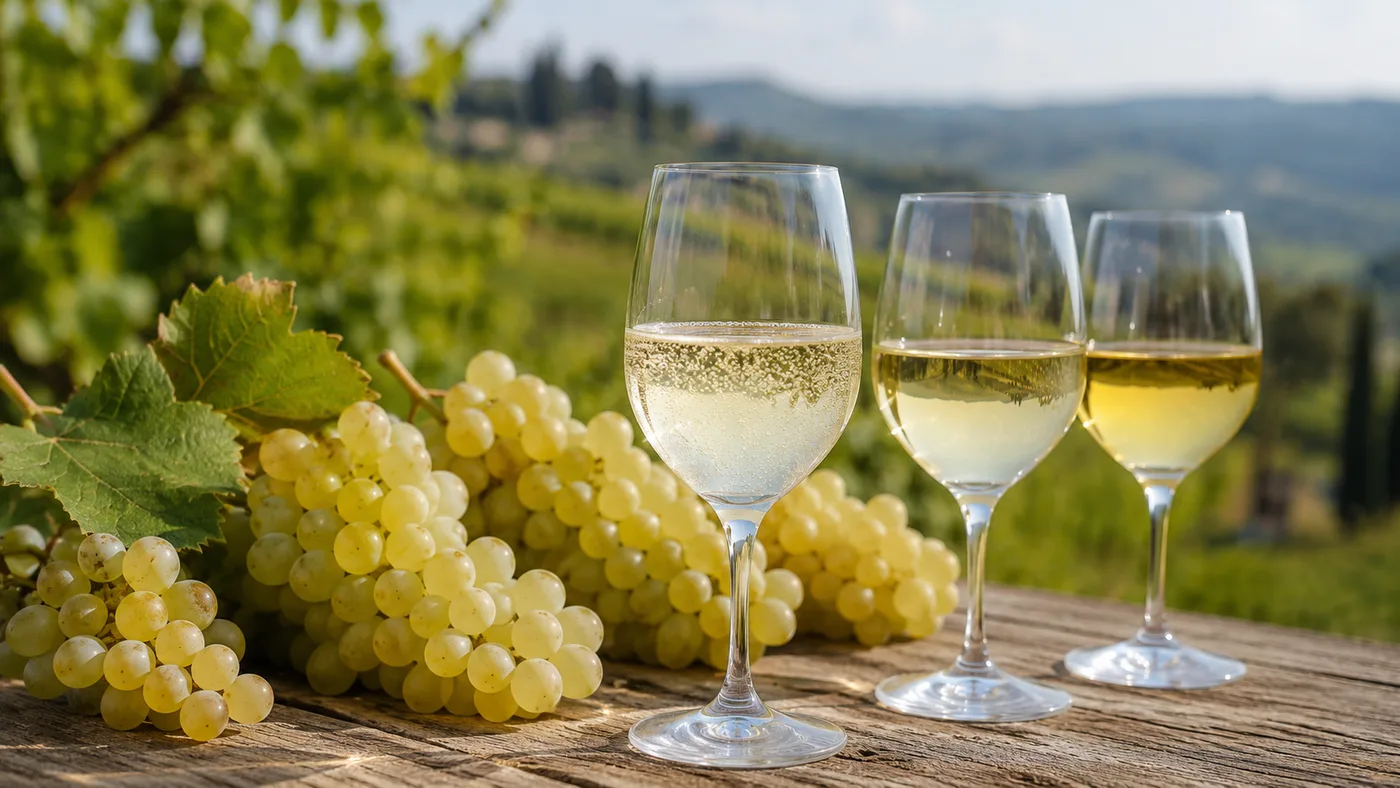
Glera is the grape behind Prosecco. Most people know the wine name before they ever hear the grape name, which is normal. In practice, if you are drinking Prosecco, you are usually drinking a wine based mainly on Glera.
Glera tends to give fresh, easy aromas: pear, green apple, white flowers, citrus, and sometimes a soft peach note. It is not meant to taste like Champagne. The best examples feel clean, bright, and easy to drink without becoming sugary or flat.
If you want the more specific hillside version, look at Prosecco Superiore and the Prosecco Hills. If you are still confused by the category, read Prosecco DOC vs DOCG.
Garganega: the Soave grape
Garganega is the main grape of Soave, and it is one of Veneto's most important native white grapes. It is also the grape that can surprise people who only remember cheap, thin Soave from years ago.
Good Garganega can be citrusy, almond-toned, herbal, fresh, and quietly textured. In better Soave Classico, it can feel more serious than people expect, especially with seafood, risotto, roast chicken, vegetable dishes, and simple lake fish.
Start with Soave and the Soave region if you want the white-wine side of Veneto to make more sense.
Corvina: the red grape behind Valpolicella, Amarone, and Bardolino
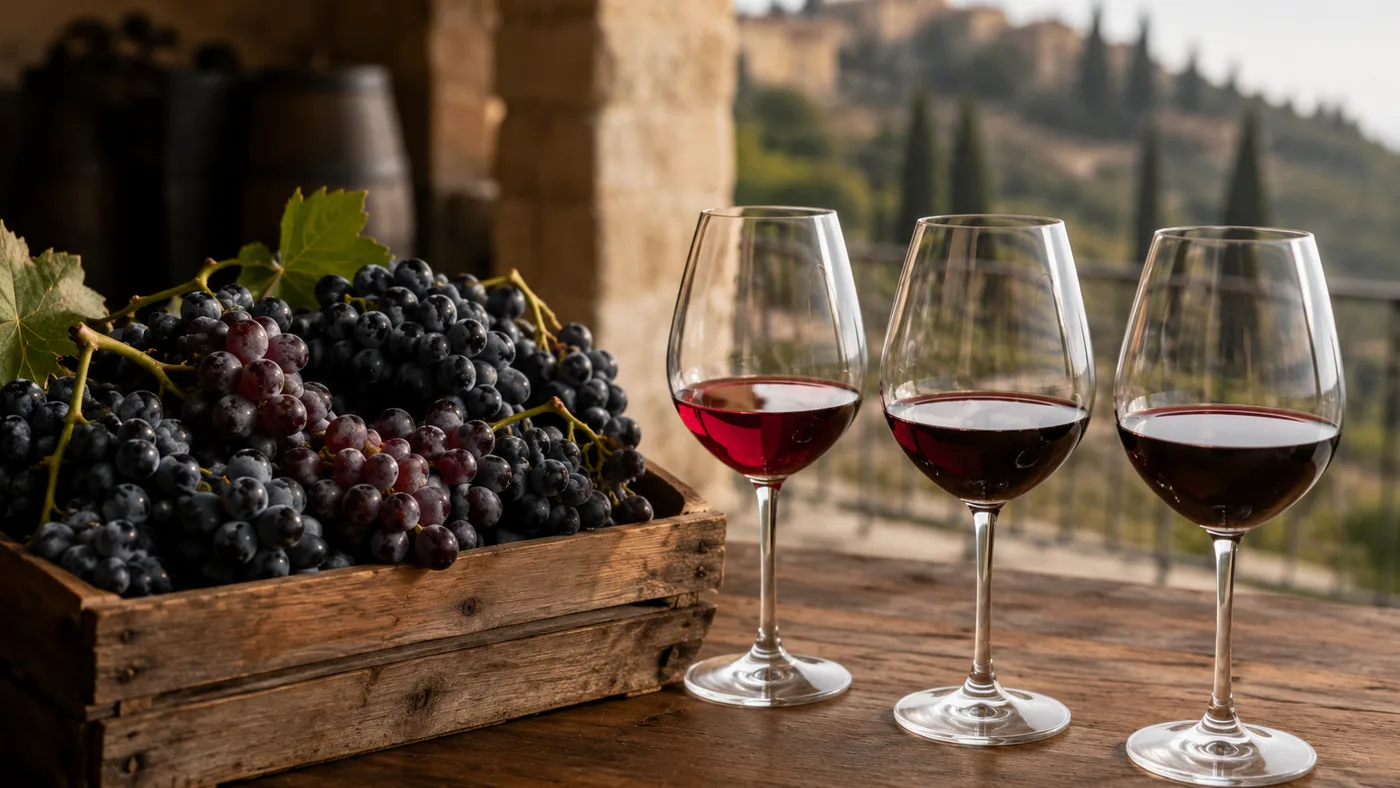
Corvina is the key red grape around Verona and Lake Garda. It is not always alone in the bottle, but it often leads the style. If you understand Corvina, you understand a large part of Veneto red wine.
In a simple Valpolicella, Corvina can feel fresh, cherry-toned, bright, and food-friendly. In Valpolicella Ripasso, it becomes deeper and rounder. In Amarone, after the grapes are dried, the wine becomes much richer, more powerful, and more concentrated.
That is the useful lesson: one grape family can produce very different wines depending on place, blend, drying, aging, and cellar choices. Corvina can also be part of lighter Lake Garda reds such as Bardolino.
Rondinella and Molinara: supporting grapes, not the headline
Rondinella and Molinara appear in the Valpolicella and Bardolino world, but they do not need to make the topic complicated. Think of them as supporting grapes.
Rondinella is useful in blends because it is reliable and contributes color, body, and structure. Molinara is more delicate and traditional, with a lighter role today than it had historically. If you see these grapes mentioned, the important point is still usually the wine family: Valpolicella, Amarone, Ripasso, or Bardolino.
Turbiana: the Lugana grape
Turbiana is the grape behind Lugana, the white wine from the southern Lake Garda area. Lugana is a good step if you like fresh white wines but want something with a little more texture than the most basic crisp white.
Expect citrus, stone fruit, almond, freshness, and sometimes a slightly saline or mineral feeling. It can work very well with lake fish, seafood, light pasta, vegetable dishes, and warm-weather lunches.
If you are planning around the lake, connect the grape to the Lugana area, not just the bottle.
Raboso: the firmer side of Veneto
Raboso is not as famous internationally as Glera, Garganega, or Corvina, but it is worth knowing because it shows another side of Veneto. It is naturally more acidic and tannic, with a firmer, darker, more rustic personality.
It is not usually the first grape I would give to a beginner, but if you like structured reds with bite and freshness, Raboso can be interesting. It also reminds you that Veneto is not only gentle sparkling wine and polished Amarone.
What about Pinot Grigio, Merlot, Cabernet, and Chardonnay?
You will see international grapes in Veneto. Pinot Grigio, Merlot, Cabernet, Chardonnay, and other familiar names all exist here, especially in broader IGT wines and some local blends.
They can be good wines. They just are not the first place I would start if the goal is to understand Veneto's identity. For that, begin with the native grapes and the classic regional names: Glera, Garganega, Corvina, Turbiana, Valpolicella, Soave, Prosecco, Lugana, Bardolino, and Amarone.
Which Veneto grape should you try first?
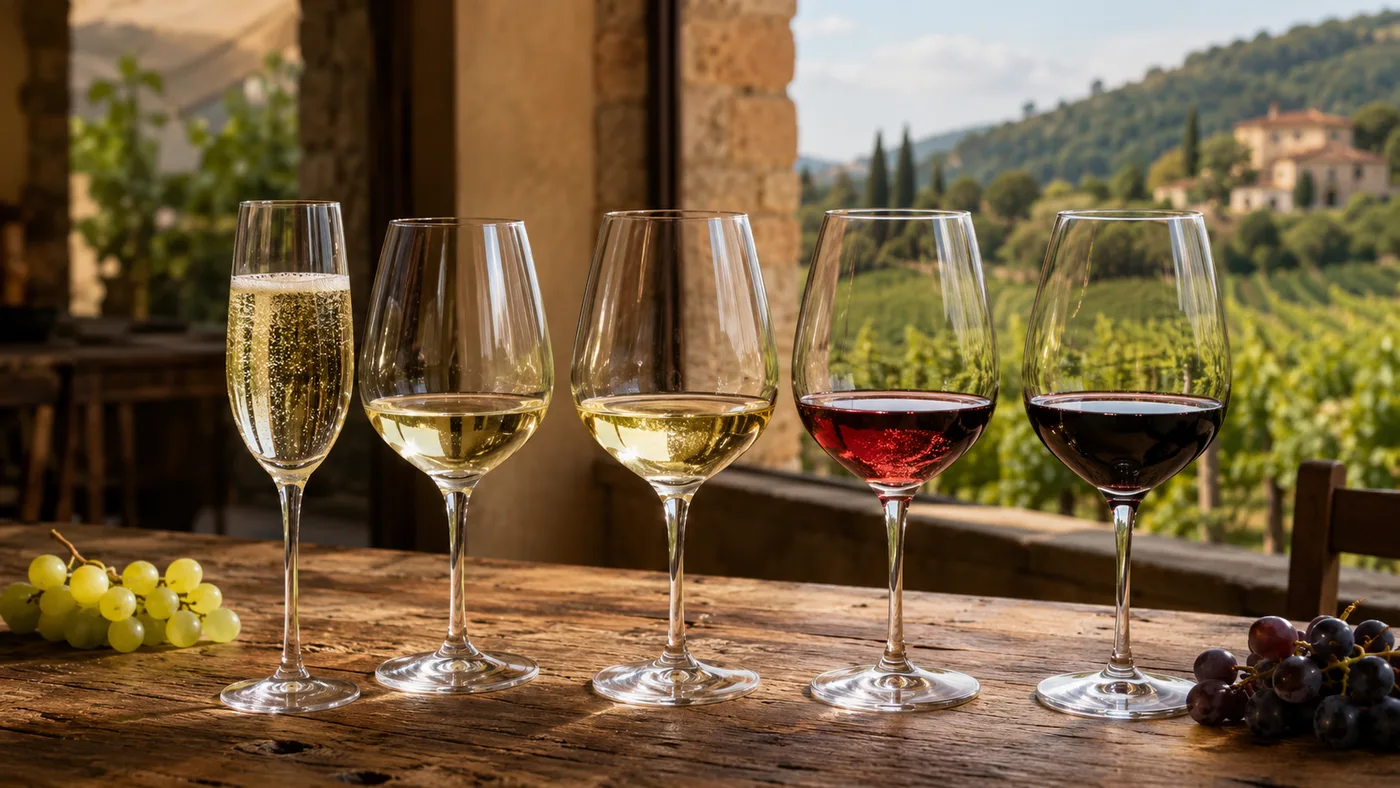
- If you like sparkling wine: start with Glera in Prosecco Superiore DOCG.
- If you like crisp dry whites: start with Garganega in Soave Classico.
- If you like fuller whites: start with Turbiana in Lugana.
- If you like lighter reds: start with Corvina-led Valpolicella or Bardolino.
- If you like richer reds: move from Valpolicella Ripasso to Amarone.
- If you like firm rustic reds: look for Raboso.
How grape names appear on labels
Veneto labels often use the place or wine name more clearly than the grape name. This is common in Italy. Soave usually means a Garganega-based wine. Prosecco means a Glera-based sparkling wine. Valpolicella and Amarone mean Corvina-led local red blends. Lugana means Turbiana.
Once you learn that relationship, labels become easier. You stop asking only "what grape is this?" and start asking the better question: "what grape, from what place, made in what style?"
For the full label-reading approach, use How to Read a Veneto Wine Label.
My practical rule
Learn grape and place together. Glera matters most when you connect it to Prosecco and the Prosecco hills. Garganega matters most when you connect it to Soave Classico. Corvina matters most when you taste how different it feels as Valpolicella, Ripasso, Amarone, or Bardolino.
That is how Veneto starts to make sense. Not as a list of grapes, but as a set of grapes, places, and styles that behave differently in the glass.
FAQ
What is the most famous Veneto grape variety?
Glera is probably the best-known because it is the main grape used for Prosecco, Veneto's most internationally familiar wine.
What grape is Prosecco made from?
Prosecco is made mainly from Glera. Other permitted grapes can be used in smaller amounts, but Glera is the grape to know.
What grape is Soave made from?
Soave is based mainly on Garganega. Better examples, especially Soave Classico, can show citrus, almond, herbs, freshness, and texture.
What grapes are used for Amarone?
Amarone della Valpolicella is usually based on Corvina, Corvinone, Rondinella, and other local red grapes. The appassimento drying process is what gives Amarone much of its power and concentration.
What grape is Lugana made from?
Lugana is made from Turbiana, a white grape from the Lake Garda area that can make fresh but textured white wines.
Read next
Explore Veneto wine regions, browse featured wine styles, or request the Veneto Wine Starter Guide.