Why Venice matters
Venice is one of the reasons people come to Veneto at all. UNESCO describes Venice and its lagoon as a city spread across 118 small islands, with origins in the fifth century and major maritime power by the tenth century. That history matters because Venice is not just a backdrop for a wine trip. It is one of the cultural centers that shaped the region around it.
For wine travelers, Venice works best as a gateway. It is useful for arrivals, for a first or final city stay, and for connecting the trip to the Prosecco Hills, Treviso, and the eastern side of Veneto. It is less useful if you try to force too many tastings into the city itself.
Main sights worth knowing
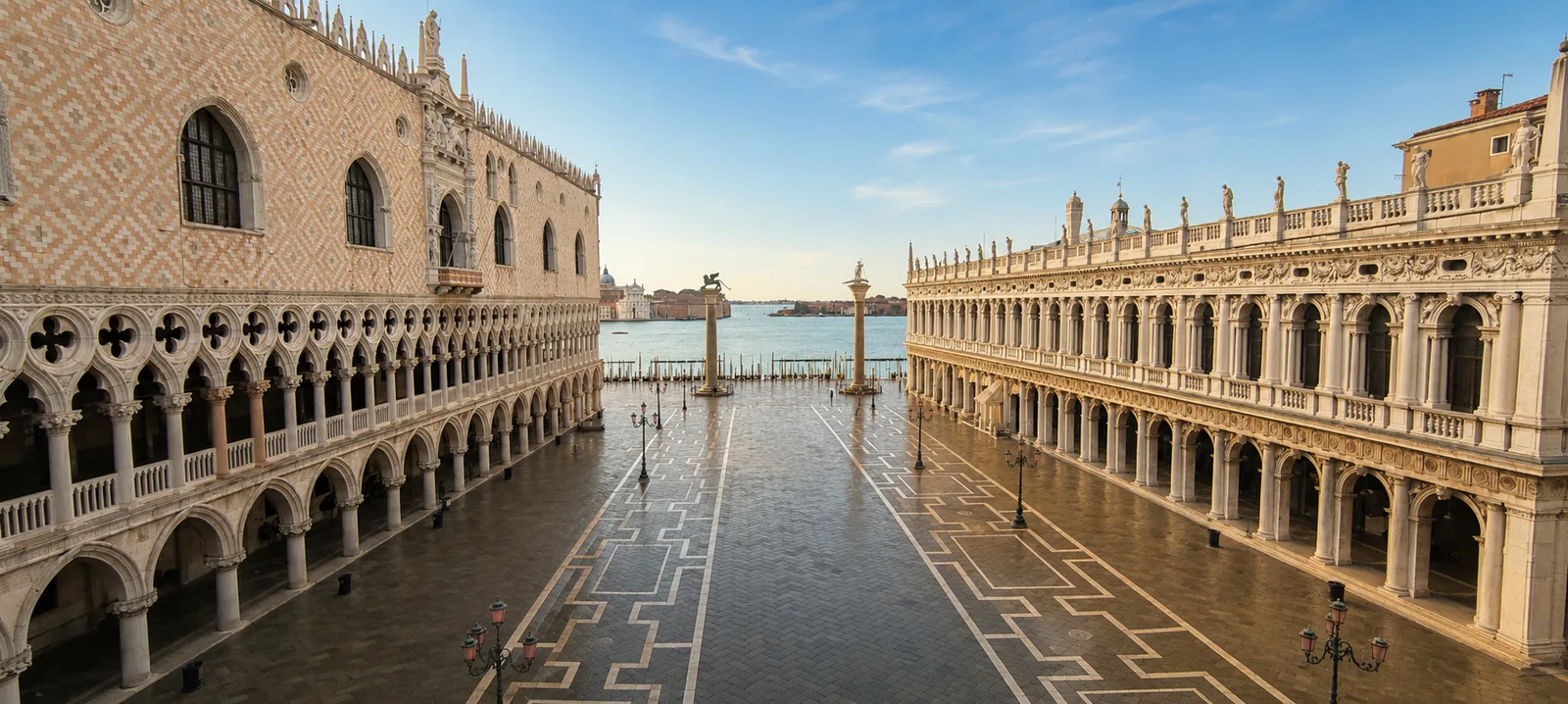
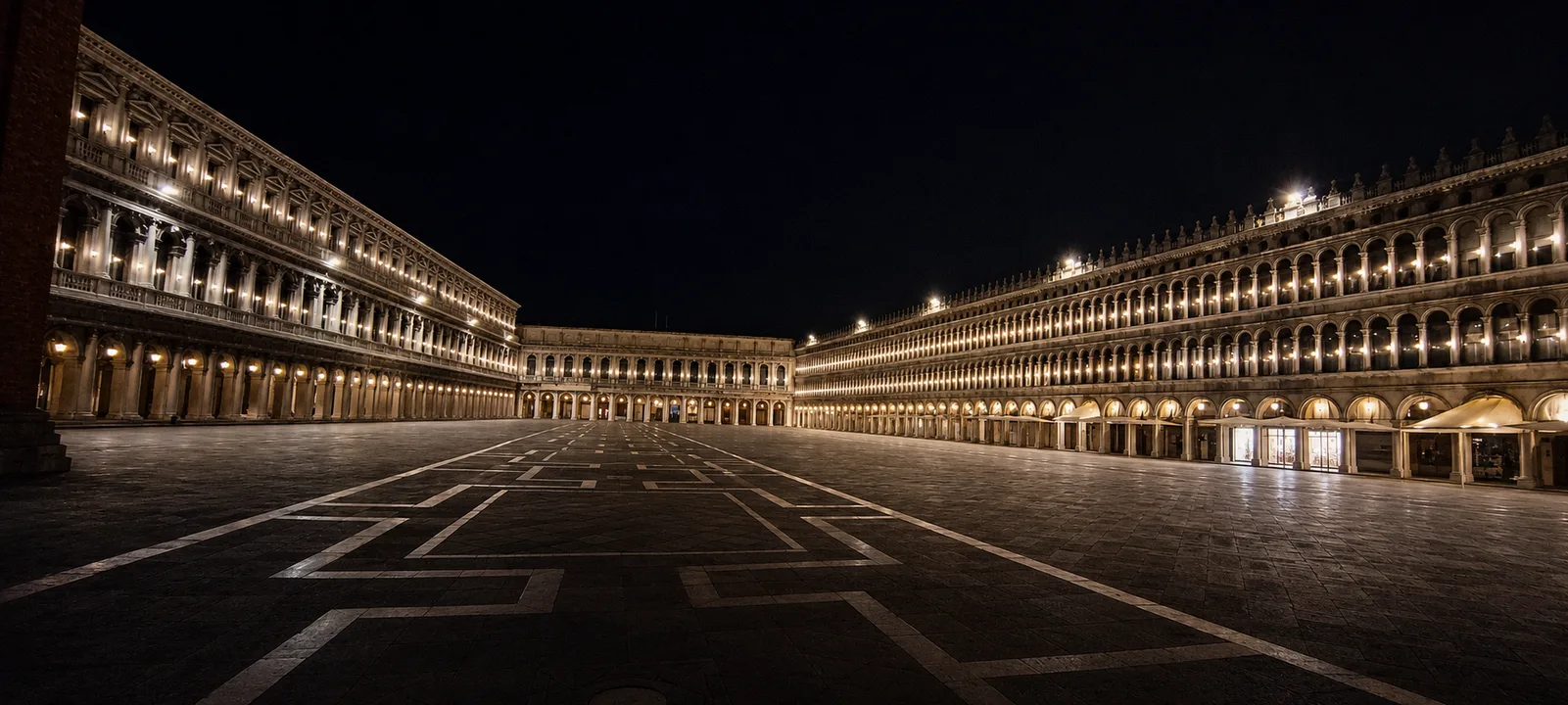
- St. Mark's Square: the symbolic center of Venice and the place most visitors use to orient themselves, with the basilica, campanile, and Doge's Palace around it.
- St. Mark's Basilica: the great basilica of Venice, known for its Byzantine character, mosaics, and role at the heart of the old Venetian state.
- Doge's Palace: one of the major Gothic monuments of Venice and a key stop for understanding the political power of the Venetian Republic.
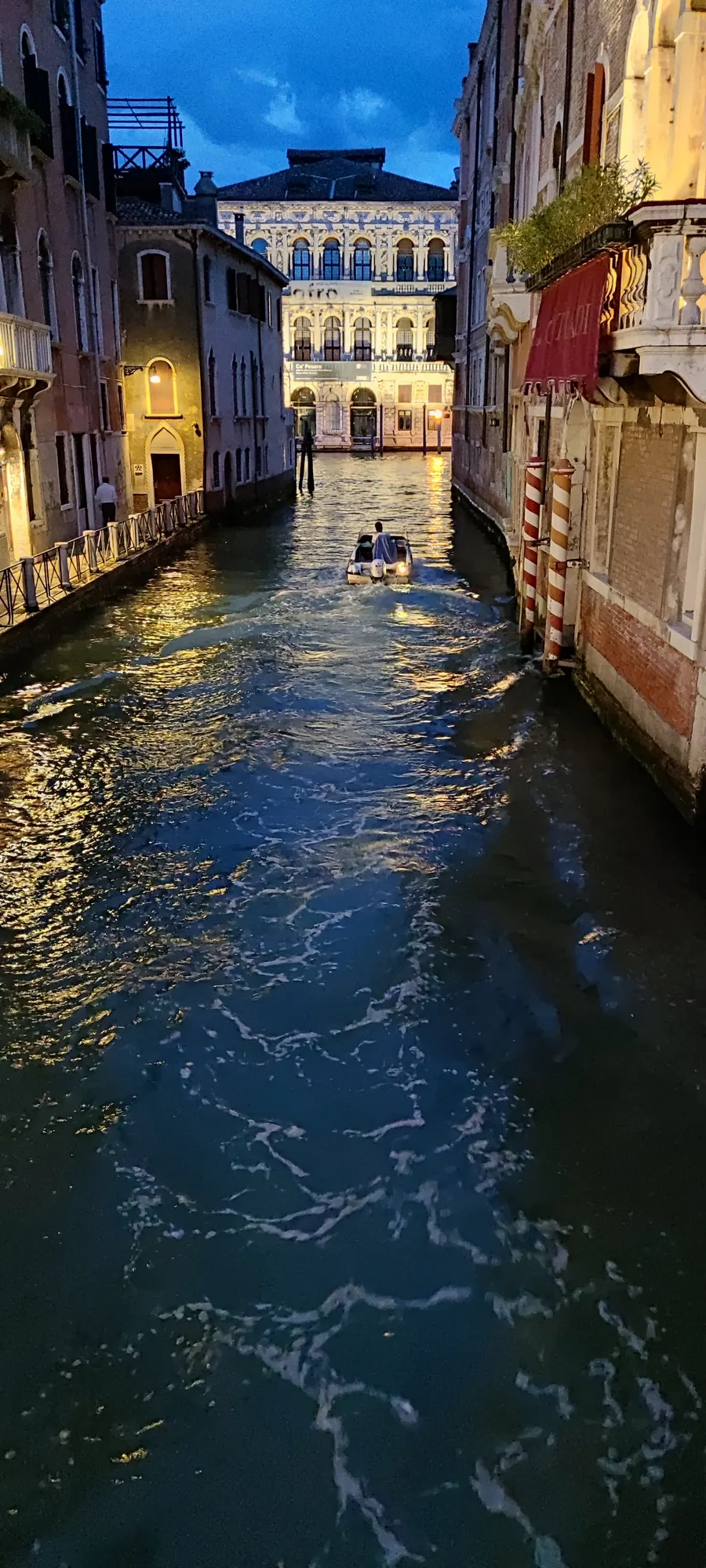
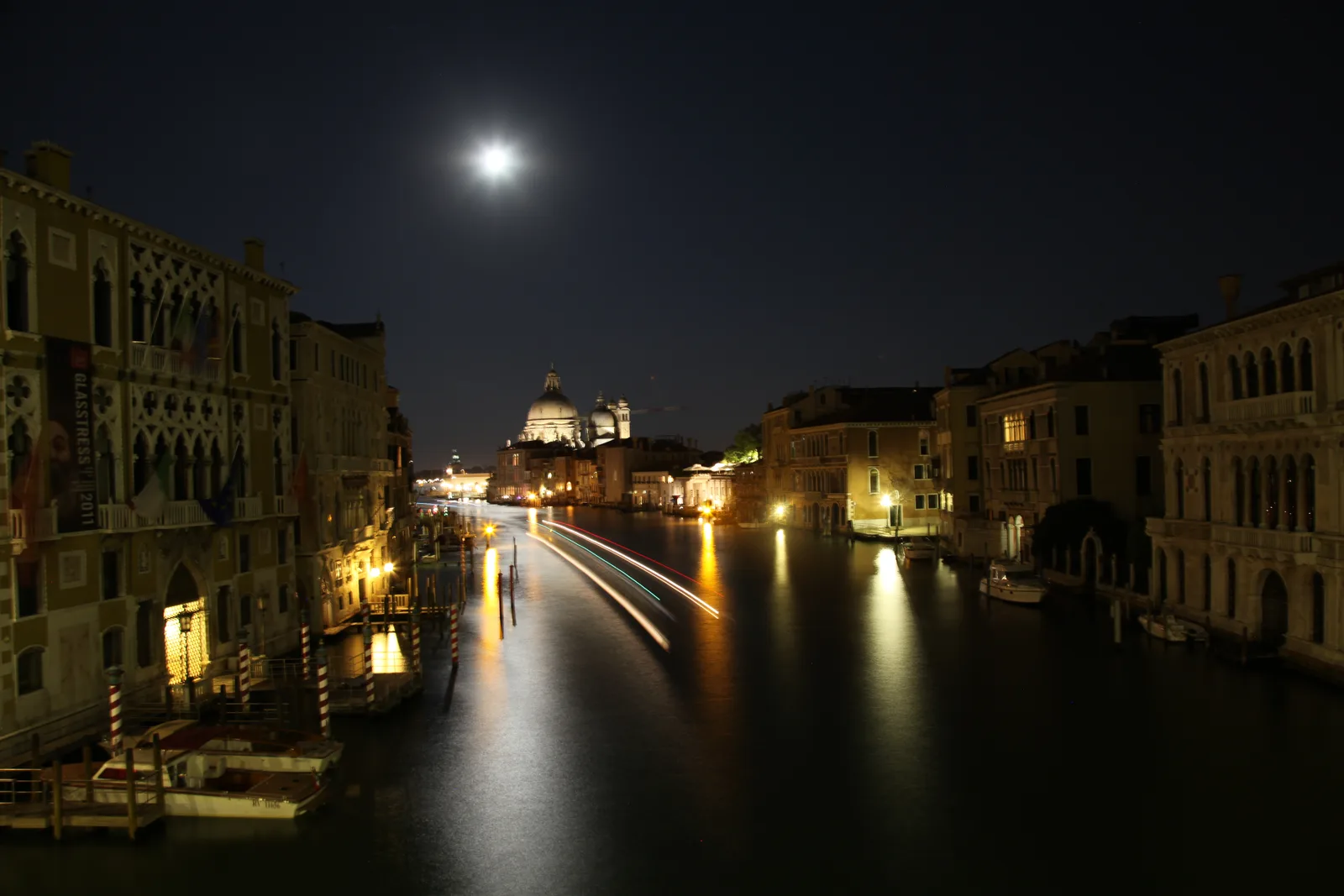
- Grand Canal: the main waterway through the city, lined with palaces and best understood from the water rather than as a normal street.
- Rialto Bridge and market area: the historic crossing and commercial heart that connects the San Marco side with Rialto and San Polo.
- Santa Maria della Salute: the domed church near the entrance to the Grand Canal, one of the strongest views in the city from the water.
- Murano, Burano, and Torcello: lagoon islands that help visitors understand Venice beyond the central postcard route, with glass, color, older lagoon history, and quieter edges.

How to use Venice well
The best approach is to give Venice its own time and avoid making it only a hotel for wine travel. Spend one or two days with the city itself, then choose a single wine direction if the schedule allows.
The most natural wine day from Venice is the Prosecco Hills, especially Conegliano Valdobbiadene. Treviso can also work as a softer bridge between Venice and Prosecco country. If you want Amarone, Ripasso, Soave, Bardolino, or Lugana, Verona is normally the cleaner base.
Where wine fits naturally
Venice works best for wine when the plan respects geography. The city sits on the lagoon, so any real vineyard day means leaving the historic center. That does not make wine impossible from Venice. It just means the route needs to be chosen carefully.
- Prosecco Hills: the strongest first choice from Venice, especially if you want vineyard scenery, sparkling wine, and a clear sense of place beyond the city.
- Treviso and Conegliano: useful stepping stones for travelers who want a gentler move from Venice toward Prosecco country.
- Eastern Veneto: less famous for first-time visitors, but relevant for future routes around the plains east of Venice and toward Friuli.
- Padua and Colli Euganei: possible with planning, especially for travelers already moving west, but not as direct as a Prosecco-focused day.
- Verona and Valpolicella: better treated as a separate base or overnight direction rather than a rushed day from Venice.
Venice food and wine context
Wine in Venice often makes most sense through food rather than vineyards. Bacari, cicchetti, seafood, risotto, and aperitivo culture give you a practical way to taste Veneto wines without leaving the city. A glass of Prosecco is the obvious starting point, but it should not be the end of the story.
For Venice meals, look for crisp whites and sparkling wines that fit the lagoon mood: Prosecco for aperitivo, Soave or Lugana with many seafood dishes, and lighter reds when the food calls for them. The important thing is to connect the glass to Veneto rather than treating Venice as separate from the region around it.
Good and weak wine plans from Venice
A good Venice wine plan is focused. It leaves enough room for the city and chooses one wine direction clearly. A weak plan tries to collect too many famous Veneto names from a base that is not actually close to all of them.
| Plan | Verdict |
|---|---|
| Venice plus one Prosecco Hills day | Strong, especially for first-time Veneto wine travelers |
| Venice, Treviso, and Conegliano as a gradual route | Good if you are moving through the region |
| Venice plus Padua or Colli Euganei | Possible, but better with careful timing |
| Venice to Valpolicella and back in one rushed day | Usually weak; Verona is the better base for that |
| Random city tasting marketed as a vineyard experience | Be cautious; it may be pleasant, but it is not the same as wine country |
Simple trip ideas from Venice
| If you want... | Best direction |
|---|---|
| Classic Venice monuments and canals | Stay in Venice and keep the day slow |
| Glass, color, and lagoon islands | Murano, Burano, and Torcello |
| Prosecco Superiore and hillside scenery | Conegliano Valdobbiadene |
| A broader wine-planning overview | Veneto Wine Tours |
Good first approach
If this is your first trip, let Venice be Venice. Add one carefully chosen Prosecco Hills day rather than turning the stay into a rushed checklist. That usually creates a better balance between the lagoon and the wine country behind it.
For a broader Veneto wine trip, consider Venice at the beginning or end, then move to Verona for Valpolicella, Soave, Bardolino, and Lugana. That creates a cleaner itinerary than trying to make Venice do every job.
