Organic wine
Bio vs Conventional Wine: What Is the Real Difference?
When people see Bio on a wine label in Italy, they often think it simply means no chemicals sprayed on the grapes. That is part of the story, but it is not the whole story.

The real difference between organic wine and conventional wine is bigger than one spray, one logo, or one trendy word. It is a different way of thinking about the vineyard, the soil, the cellar, and sometimes even the final taste in the glass.
In Veneto, where wine ranges from Prosecco to Soave, Bardolino, Valpolicella, Amarone, and Lugana, this matters. The region is not just about famous names. It is about place, farming, climate, and how much the winemaker wants to intervene.
What does Bio mean on an Italian wine label?
In Italy, Bio means biologico, or organic.
For a wine to be labelled organic in the European Union, the producer has to follow organic farming and winemaking rules. Since the 2012 harvest, EU producers have been allowed to use the term organic wine on the label, and certified bottles use the EU organic logo, the green leaf made of white stars.
That logo is not just decoration. It means the wine follows regulated standards, not just a winery's personal marketing language.
1. The vineyard: farming the land, not just the grape
Conventional wine
In conventional farming, growers may use synthetic fertilizers, herbicides, pesticides, and fungicides. These tools can make vineyard management easier and more predictable. They help control weeds, pests, disease pressure, and vine growth.
That does not automatically mean conventional wine is bad. Many excellent wines are made conventionally. But the approach is usually more interventionist: the farmer has more chemical tools available to control problems quickly.
Organic wine
Organic farming removes many of those synthetic tools. Instead of synthetic fertilizers, growers rely on compost, manure, cover crops, and soil management. Instead of systemic synthetic pesticides and herbicides, they work with more restricted treatments and vineyard practices.
In organic vineyards, you often see grass, flowers, and other plants between the vine rows. That is not because the farmer forgot to tidy up. It is often deliberate. Biodiversity can help support insects, soil life, and a healthier vineyard ecosystem.
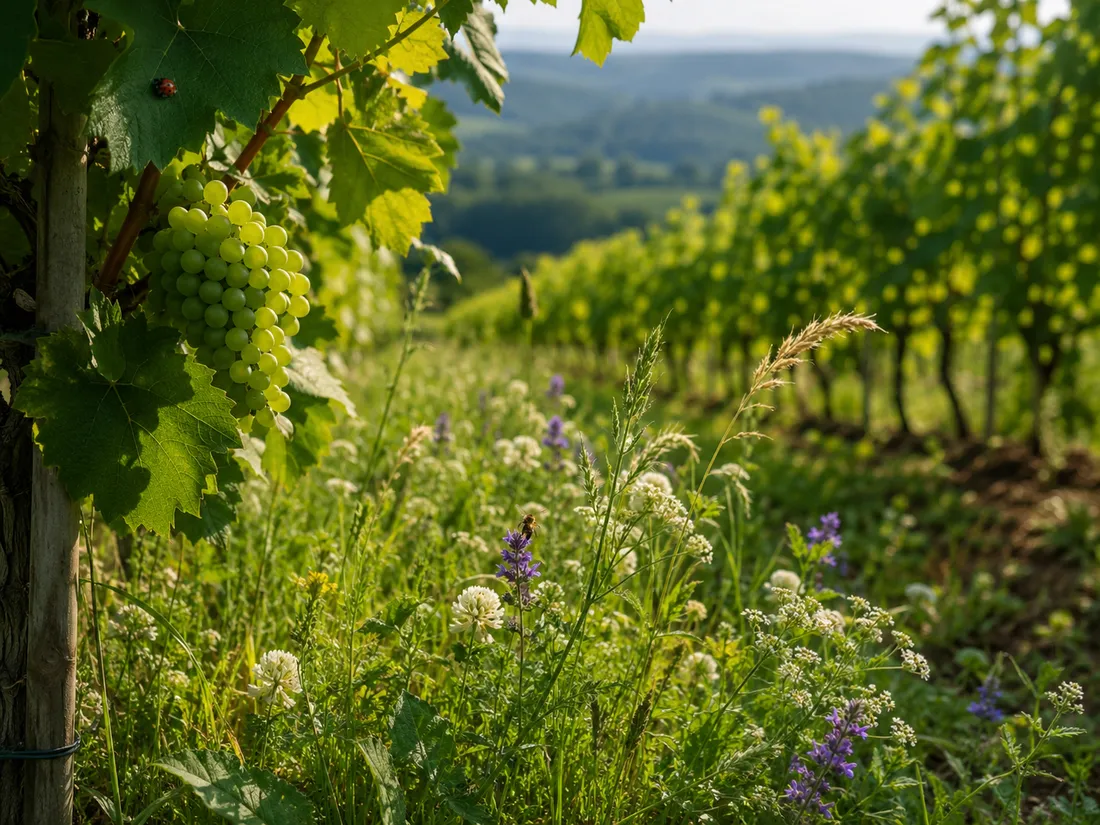
In Veneto, this can be difficult work. The climate can be humid, especially around areas such as Valpolicella, Lake Garda, and the Prosecco hills. Humidity means fungal pressure. Organic farming here is not the easy road. It requires more vineyard work, more attention, and more risk.
2. The soil and terroir question
One of the strongest arguments for organic wine is not health. It is soil.
A vineyard is not just a grape factory. It is a living system. The soil, slope, drainage, sun exposure, wind, insects, microbes, and vine roots all influence what happens in the glass.
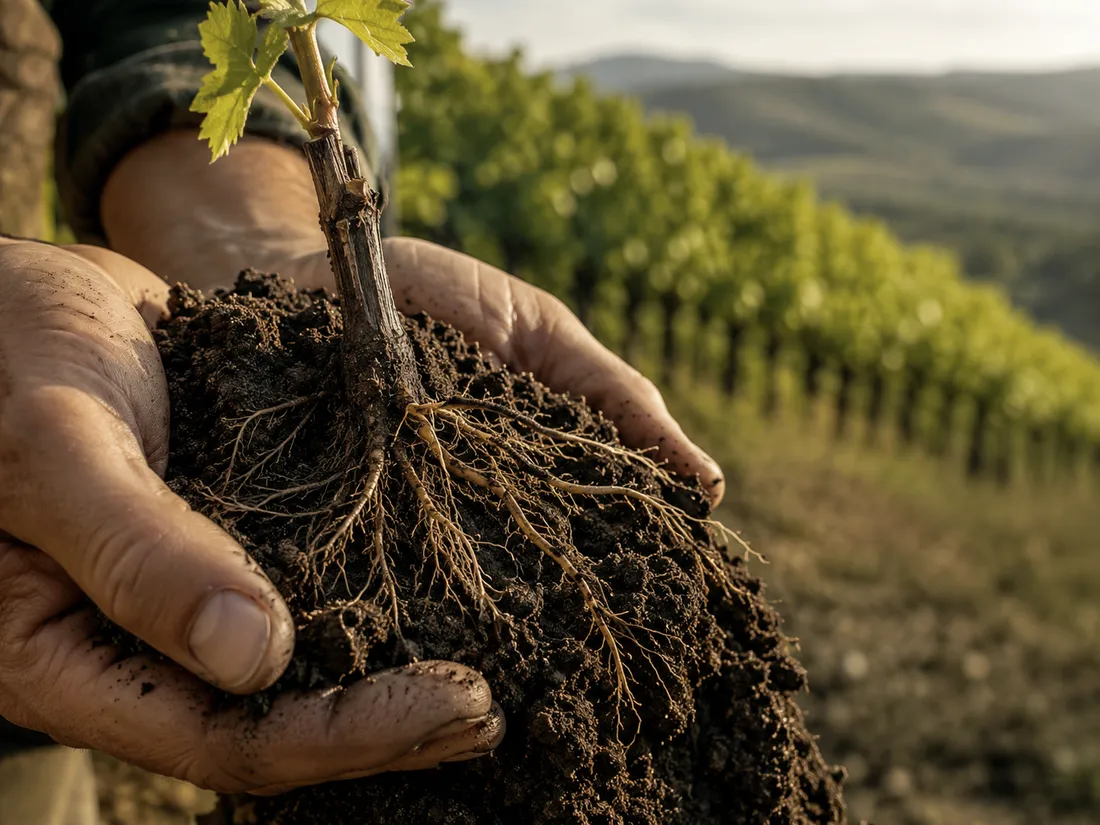
Many organic and biodynamic producers believe that healthier soil produces grapes with a clearer sense of place. In wine language, this is often called terroir.
That does not mean every organic wine is automatically better. Some are average. Some are excellent. Same with conventional wines.
But organic farming often aims for a wine that tastes less manufactured and more connected to its site, vintage, and grape variety.
For Veneto, that means Glera should express the hills and freshness of Prosecco country. Garganega should show the mineral, almond, and citrus side of Soave. Corvina, Corvinone, and Rondinella should reflect the hills of Valpolicella, whether the wine becomes Valpolicella Classico, Ripasso, Amarone, or Recioto. Turbiana should show the crisp, lake-influenced freshness of Lugana.
3. The cellar: the part people forget
A lot of people think organic wine only means organic grapes. But in the EU, organic wine rules also apply to what happens in the cellar.
This is where things get interesting.
Conventional winemaking allows a wider range of additives and technical interventions. These can help correct color, aroma, texture, stability, acidity, fermentation problems, and consistency.
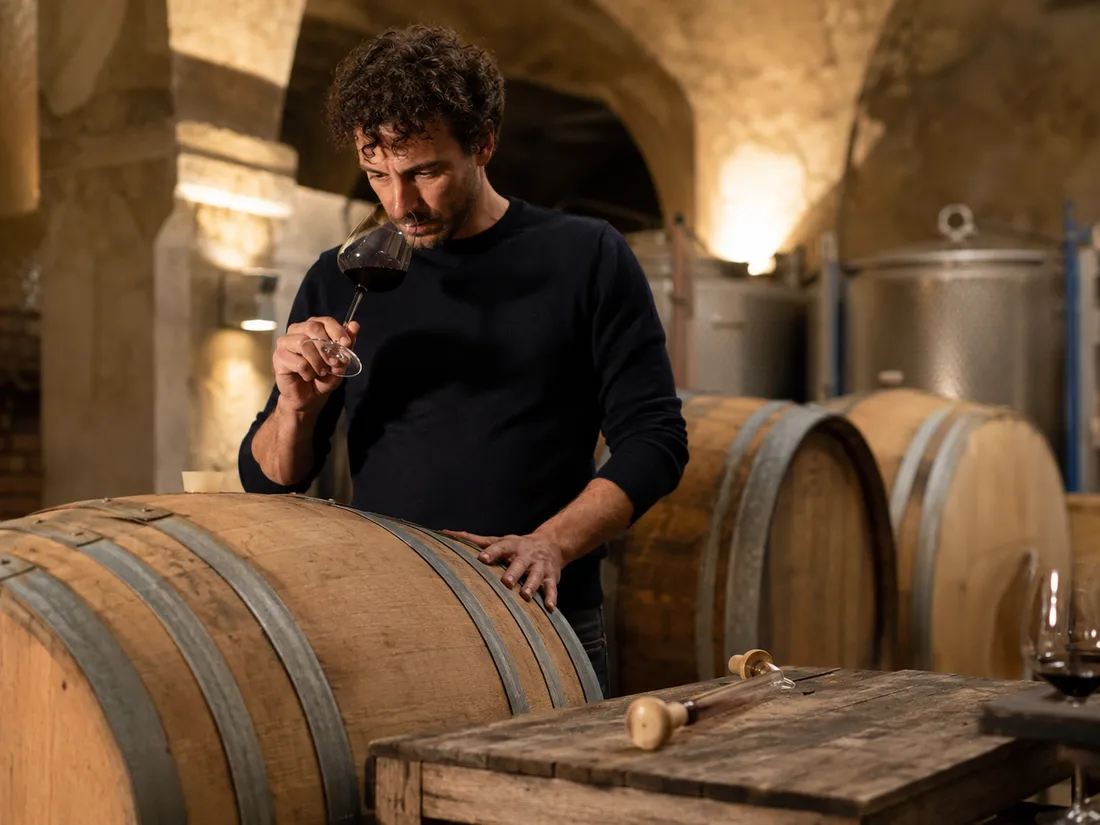
Organic winemaking is more restricted. Certain practices are not allowed, and permitted sulphite levels are lower than in conventional wine. When EU organic wine rules were introduced, the European Commission specifically noted that some techniques, such as sorbic acid use and desulfurisation, would not be allowed, and that sulphite limits had to be lower than conventional wine.
This matters because wine is not just grape juice with alcohol. It can be shaped heavily in the cellar. Organic rules do not mean zero intervention, but they do limit the toolbox.
4. Sulfites: important, but often misunderstood
Sulfites are one of the most misunderstood subjects in wine.
Yes, organic wines usually have lower permitted sulfite levels than conventional wines. But be careful with the headache claim.
Many people blame sulfites for headaches, but sulfites are not usually the main reason wine makes people feel bad. Alcohol, dehydration, histamines, tannins, sugar, and simply drinking too much are often bigger factors.
So the honest version is this: organic wines usually contain less added sulfites, but that does not guarantee you will avoid headaches or hangovers.
If you want fewer problems, drink better wine, drink slower, eat food, drink water, and avoid treating Amarone like orange juice.
5. Pesticide residues and clean farming
Another reason people choose Bio wines is to reduce exposure to pesticide residues.
Organic vineyards are regulated differently from conventional vineyards, and synthetic chemical inputs are restricted. This is one of the strongest practical reasons to choose organic wine, especially if you drink wine regularly.
Again, this does not mean every conventional bottle is unsafe. European wine production is regulated. But organic certification gives the consumer a clearer standard and more transparency about how the grapes were grown.
6. Organic, biodynamic, natural: not the same thing
These three terms are often mixed together, but they do not mean the same thing.
Organic or Bio wine
Organic wine follows official organic rules. In Europe, look for the green EU organic leaf logo. This is the most straightforward certification to understand.
Biodynamic wine
Biodynamic wine goes beyond organic farming. It treats the vineyard as a complete living organism and often includes compost preparations, lunar-cycle timing, and a more holistic farming philosophy.
The main international biodynamic certification is Demeter. Demeter wine standards require wine carrying the mark to come from Demeter-certified grapes and meet its winemaking standards.
Some people love biodynamic farming. Some think parts of it are too mystical. But in practice, many biodynamic producers are extremely serious farmers who spend a lot of time in the vineyard.
Natural wine
Natural wine is different again.
Natural wines are often made from organic or biodynamic grapes, but natural wine itself is not as clearly regulated as organic certification. These wines usually involve minimal additives, native yeasts, little filtration, and very low or no added sulfites.
Natural wine can be beautiful, alive, and expressive. It can also be cloudy, sour, volatile, funky, unstable, or frankly a mess.
Do not assume natural always means better. It means less controlled. Sometimes that is magic. Sometimes it is just bad winemaking with a philosophy attached.
7. What does this mean for taste?
The simplest way to think about it:
Conventional wine often aims for consistency.
Organic wine often aims for expression.
A conventional wine may be designed to taste polished and reliable every year. Same style, same color, same smoothness, same customer expectation.
An organic or biodynamic wine may show more vintage variation. A hot year may taste warmer and richer. A cooler year may taste sharper and more delicate. The wine may feel less corrected and more transparent.
Neither approach is automatically superior. It depends on the producer.
A boring organic wine is still boring. A great conventional Amarone is still great. But if you care about farming, soil health, biodiversity, and wines that feel connected to place, Bio wines are worth paying attention to.

8. Bio wine in Veneto
Veneto is a very interesting region for organic wine because it has both mass-market production and serious artisan producers.
Prosecco, for example, is produced in huge volumes. Some bottles are simple, commercial, and made for easy drinking. But in the Conegliano Valdobbiadene hills, you can also find producers working more carefully with vineyards, slopes, and organic methods.
In Valpolicella, organic farming can be especially meaningful because the region produces everything from fresh Valpolicella to Ripasso and Amarone. For Amarone, where grapes are dried before fermentation, the quality and health of the fruit are critical.
Around Lake Garda, areas like Bardolino and Lugana also show how organic farming can support fresher, more food-friendly wines.
One Veneto example is Villa Calicantus in Bardolino, which describes itself as a small organic and biodynamic winery in the Bardolino Classico area.
9. How to read the label
When shopping for Bio wine in Veneto, look for these clues:
- EU Organic Logo: the green leaf made of white stars.
- Biologico or Vino Biologico: Italian wording for organic wine.
- Certification body: often printed on the back label.
- Demeter: usually indicates biodynamic certification.
- No certification but organic language: this can be legitimate, especially for small wineries, but you have to trust the producer.
- Natural wine language: words like minimal intervention, native yeast, unfiltered, or no added sulfites may appear, but these are not the same as official organic certification.
10. Should you buy Bio wine?
Yes, but not blindly.
Buy Bio wine when the producer is serious, the farming makes sense, and the wine tastes good.
Do not buy it just because the label looks earthy and expensive.
The best reason to choose Bio wine is not because it is trendy. It is because it often supports better farming, healthier vineyards, fewer synthetic inputs, lower intervention, and a clearer link between wine and place.
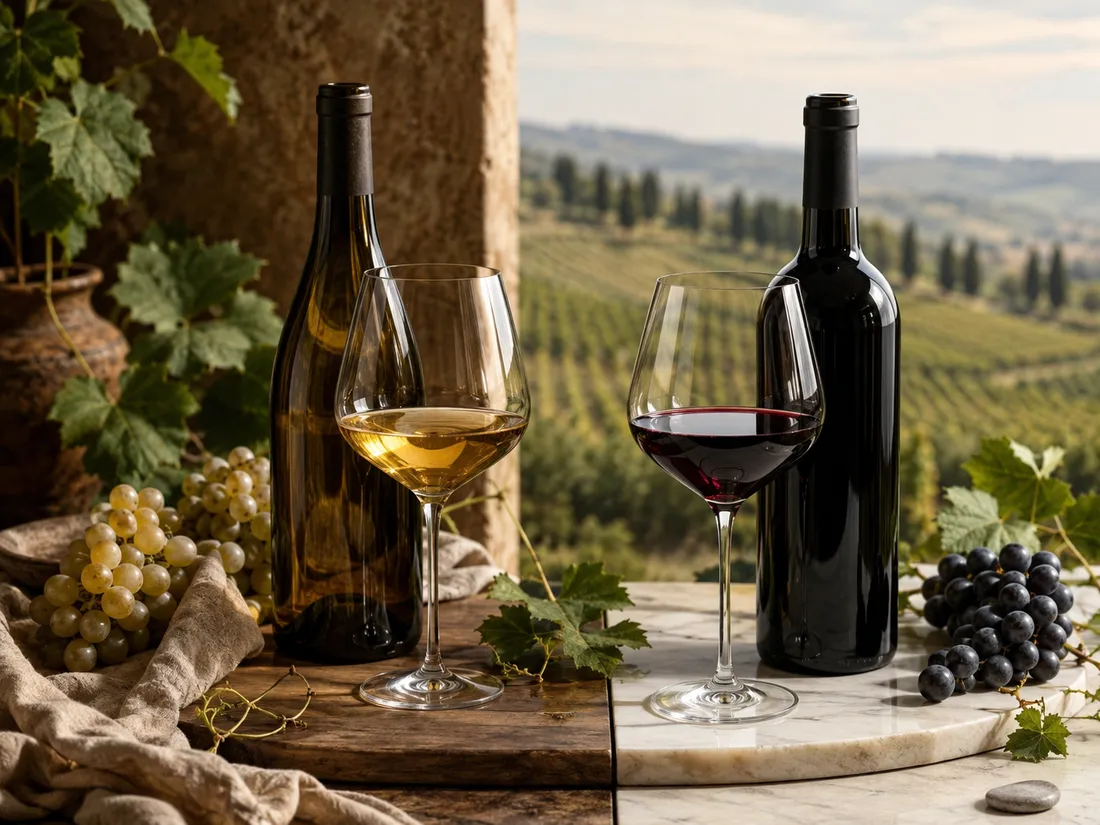
For a region like Veneto, that is exactly what makes wine interesting.
The bottom line
The difference between Bio and conventional wine is not just about chemicals. It is about philosophy.
Conventional wine often focuses on control, consistency, and predictability. Bio wine focuses more on soil, biodiversity, lower intervention, and authenticity.
That does not make every Bio wine better. But when the producer is good, Bio wine can feel more alive, more honest, and more connected to the land it comes from.
And in Veneto, where the same region can give you crisp Lugana, mineral Soave, elegant Bardolino, sparkling Prosecco, and powerful Amarone, that connection to place is everything.
Read next
Back to the blog, explore Veneto wine regions, or request the Veneto Wine Starter Guide.